Open to new projects

Luka
Nurmi

A 22-year-old professional athlete building beyond racing.

I do not want to only talk about ideas. I want to build them, sell them and make them real.

Luka Nurmi

0

TikTok followers at peak

0

Instagram followers

+0

Sellers trained on my product

0

People led as CEO of Valaja OSK

Story

A driver who learned to build.

I grew up as a racing driver. Since I was young, my life has been built around performance, competition, pressure and constant improvement.

But during the past couple of years, I have not been racing full-time. That has forced me to ask a different question:

What am I good at when I am not behind the wheel?

That question has pushed me deeper into entrepreneurship, sales, project management, customer experiences, digital tools and leadership. In many ways, it has helped me realize that the same mindset I learned in racing applies almost everywhere: prepare well, perform under pressure, learn fast, analyze what happened and keep improving.

Today, driving coaching is one of my biggest passions. I love helping people understand driving, performance and confidence behind the wheel. But entrepreneurship and sales have also been part of me since I was young. I have always enjoyed selling, building small ideas and finding ways to create value. Even as a teenager, I was selling things online, using Tori.fi, selling firewood and testing different small ideas just because I enjoyed the process of creating something and getting people interested in it.

This portfolio is not only a collection of projects. It is the story of how a racing driver started building a wider skillset: entrepreneurship, B2B sales, e-commerce, branding, customer events, digital marketing, AI-assisted building, international teamwork and leadership.

I am still early in my career, but I have already learned one thing clearly:

What I do

What I do

build01

Entrepreneurship and business building

I like the early stage of building. The point where an idea is still messy, the customer is not fully clear, the product is not perfect and nothing works automatically yet.

That is the part where I feel most alive.

I enjoy taking an idea and turning it into something concrete: a product, a website, a sales material, an event concept, a pitch deck or a first version that can be tested in the real world.

Through Kotivarakauppa.fi, ProGeo, Proakatemia projects and my own experiments, I have learned how different parts of business connect: product, brand, sales, marketing, customer experience, operations and execution.
sales02

Sales and customer work

Sales has been one of the most important skills I have learned.

I have done B2B sales, consumer sales, phone sales, direct sales, sponsorship sales, customer meetings, offers, follow-ups, sales training and sales materials.

For me, good sales is not about forcing a customer to buy. It is about understanding the customer's situation, making the value clear and making the decision as easy as possible.

I believe the best salespeople are good listeners. They ask better questions, understand the real problem and communicate honestly.

execute03

Project management and execution

I have worked in projects where the challenge has not only been the idea, but getting people, schedules, responsibilities, customers and practical details to work together.

My approach to project work is simple:

  • understand the goal
  • clarify the next steps
  • divide responsibilities
  • communicate clearly
  • make the customer's life easier
  • solve problems early
  • keep moving until something is actually finished

I enjoy projects where there is pressure, uncertainty and a need to create structure.

brand04

Branding, launch and customer experience

I have been involved in building brands, websites, launch events, marketing materials, sales materials and customer experiences.

I see branding as much more than visuals. A brand is the feeling a company leaves behind. It is how clearly the customer understands the value, how much they trust the company and how professional the whole experience feels.

That is why I enjoy projects where brand, sales and customer experience come together.

tools05

Digital tools and AI-assisted building

Before Proakatemia, I mainly used Excel, Word, Canva, CapCut and Meta Business Suite.

During Proakatemia and my own projects, I started learning websites, e-commerce, digital marketing, analytics, automation, AI tools and modern web development basics through real needs.

I am not a traditional software developer, but I am a commercial builder who wants to understand the tools behind modern business. I use tools like Shopify, Squarespace, Claude, Cursor, ChatGPT, Next.js, Vercel, Meta Ads, Google Ads, Klaviyo, Make and n8n to move faster from idea to execution.

For me, tools are not the point. Building useful things is the point.

lead06

International teamwork and leadership

Motorsport, Proakatemia and Slush have all taught me to work in international environments.

I have worked in English-speaking racing teams, studied Italian to better connect with my team, worked in international student teams and led a fully English-speaking team at Slush.

These experiences have taught me that international work is not only about speaking English. It is about understanding people, adapting communication, building trust and making sure everyone knows what they are doing and why it matters.

Selected work

Selected work

Click any project to open the full case study.

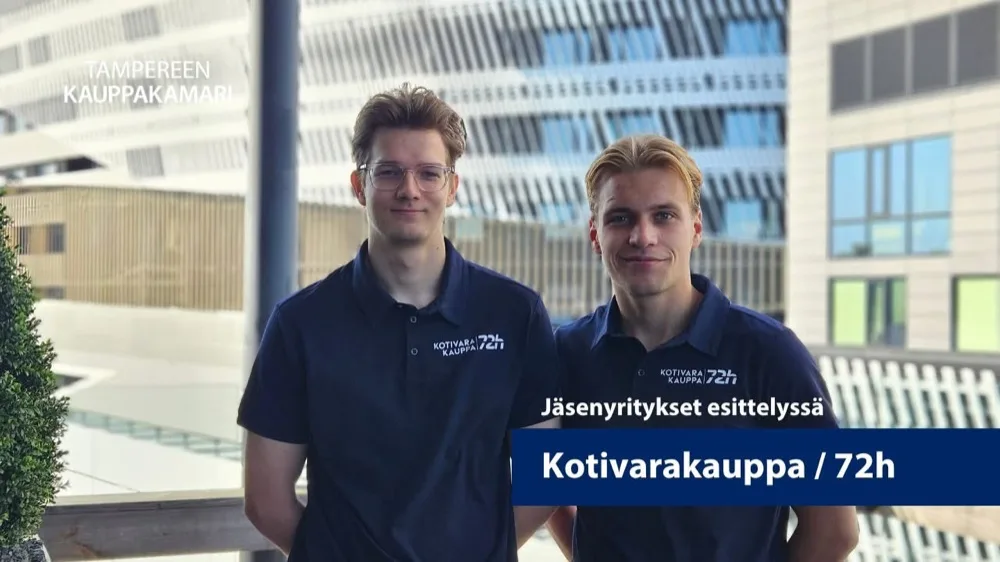
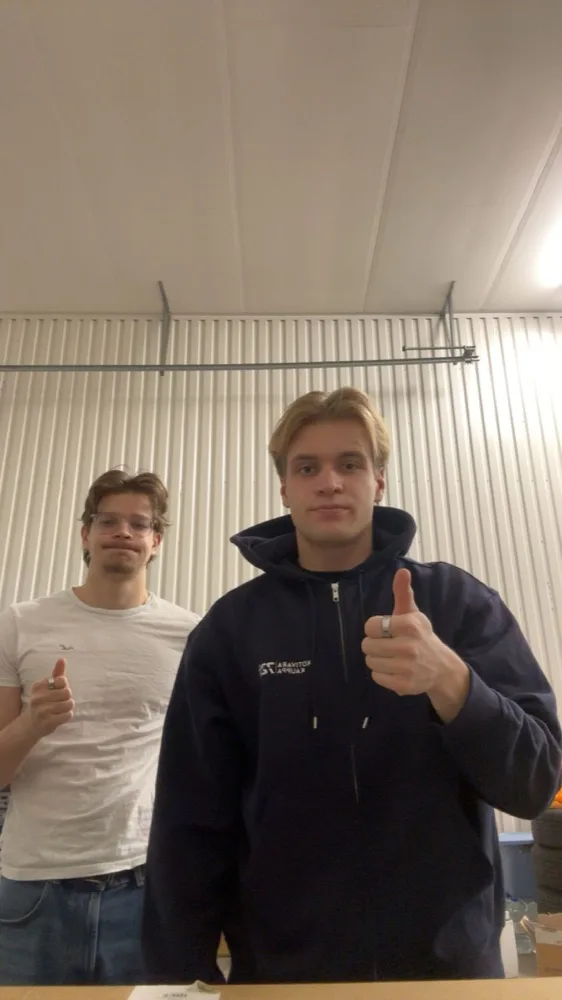
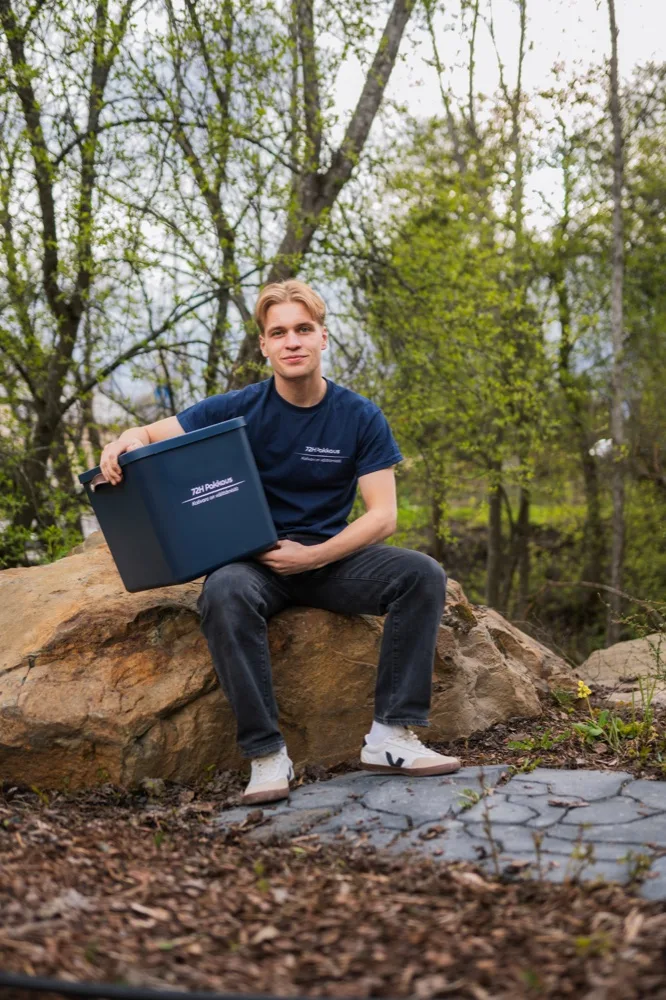
Kotivarakauppa.fi / 72h Pakkaus
01

01My first company — building an e-commerce business from idea to execution

Kotivarakauppa.fi / 72h Pakkaus

OwnerCo-founderE-commerceBranding

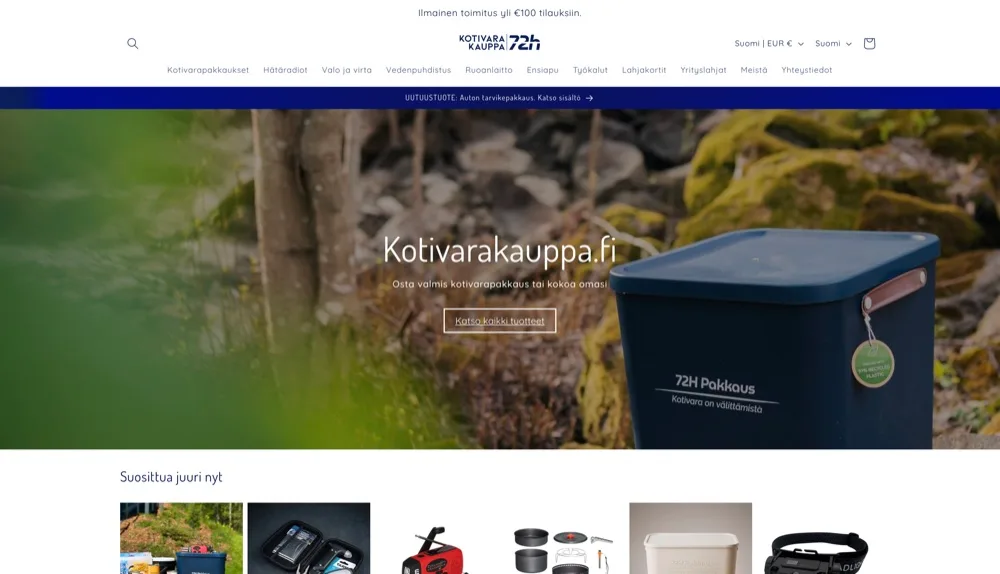
One of my most important projects — it has taught me what it actually means to build a business from scratch. We built almost everything ourselves: product, brand, Shopify store, packaging design, Meta & Google Ads, email marketing, B2B and corporate gift sales.

01  The opportunity

Kotivarakauppa.fi started from a simple observation: Finnish households are recommended to have a 72-hour home emergency supply, but for many people, collecting everything feels unclear, time-consuming and easy to postpone.

We wanted to make preparedness easier.

The idea was to turn a complicated recommendation into a product that people could understand quickly, buy easily and store at home without feeling like the brand was built on fear.

Kotivarakauppa.fi became a real business where I have learned e-commerce, sales, product development, branding, digital marketing and operations in practice.

02  My role

I am an owner and founder of Kotivarakauppa.fi.

My role has been broad and hands-on. I have been involved in building the company from idea to product, from product to brand and from brand to a functioning e-commerce business.

I have worked especially with:

product conceptcustomer understandingbrand and messagingShopify e-commercepackaging designB2B salescorporate gift salesMeta AdsGoogle Adsemail marketing with Klaviyocampaign planningsales materialsproduct developmentoperational problem-solvingpackaging and delivery process

This project has been valuable because we did almost everything ourselves. We had to learn quickly, make decisions with limited resources and solve practical problems that affected sales, margin, customer experience and operations.

03  The challenge

Preparedness is not an easy product category.

It is connected to safety, uncertainty and responsibility. The communication can easily become too frightening, too official or too dry.

We did not want to build the brand around fear. We wanted to build it around care, clarity and everyday safety.

Another challenge was productization. The product needed to be useful, trustworthy, reasonably priced, good-looking, understandable and possible to deliver. Every product decision affected the customer experience, logistics and margin.

04  What we built

We built a ready-made preparedness product and an e-commerce brand around it. The work included:

product content planningcommercial positioningbrand directionShopify storeproduct page structurepackaging designmarketing materialsMeta AdsGoogle Adsemail marketingB2B sales materialscorporate gift positioningcampaignspacking and delivery model

The biggest learning was understanding how everything connects. Brand affects ads. Ads affect the website. The website affects trust. Trust affects conversion. Packaging affects perceived value. Logistics affect customer experience. Customer feedback affects product development.

Kotivarakauppa.fi has been a practical school in how business actually works.

05  What I learned

Through Kotivarakauppa.fi, I learned that a good idea is not enough. You need to create a product people understand, build a brand they trust, make buying easy and solve the practical details behind the scenes.

I learned:

how to build and manage a Shopify storehow to think about e-commerce structurehow to improve product pageshow to work with Meta Ads and Google Adshow to plan email marketinghow to create B2B sales materialshow to sell a product as a corporate gifthow to think about pricing and marginhow packaging affects customer perceptionhow to explain a product simplyhow to work under uncertaintyhow to learn new tools when the business requires it

This case shows my working style well: I learn quickly, take responsibility and move things into practice.

ProGeo
02

02Building the brand and launch for a new geothermal energy company

ProGeo

BrandingWebsiteLaunch eventsProject leadership

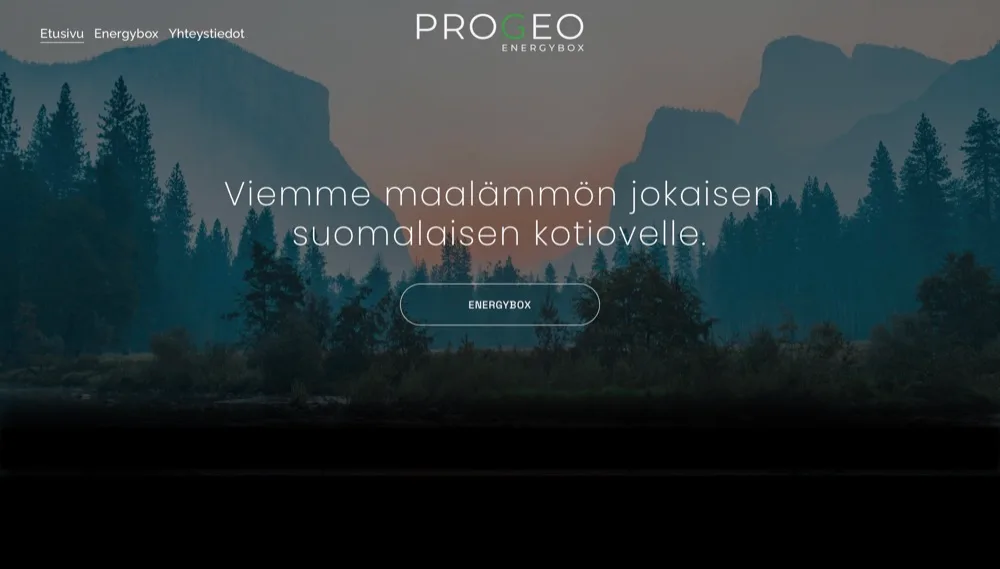
A customer project where we built the brand and launch of a new geothermal energy company from the ground up — brand direction, website, sales materials and two launch events for their most important customers.

01  The project

ProGeo was a customer project where we built the brand and launch of a new geothermal energy company from the ground up.

The company did not yet have a finished brand, website, marketing materials or sales-supporting materials. It also did not have an established way to present itself to its most important customers.

The goal was to create a professional and trustworthy foundation for the company's launch.

02  My role

I led the branding and launch event project.

My role was to keep the direction clear, organize the work, understand the customer's needs and make sure the brand, website, materials and events supported the same commercial goal.

This project required both creative thinking and practical execution. It was not enough to think about what the company could look like. We had to build the materials, plan the events and create a launch experience that felt credible.

03  The challenge

ProGeo was a new company. When a company has no established brand or sales yet, the first impression matters a lot.

Geothermal energy is also a major decision for the customer. The brand needed to communicate trust, expertise and clarity. If the message was too technical, it could feel distant. If it was too light, it would not build enough credibility.

04  What we built

We created a launch-ready commercial package for ProGeo. The project included:

brand directionvisual identitywebsitemarketing materialssales-supporting materialstwo launch events for the company's most important customersevent planningcatering arrangementscustomer experience planning

This was not only a branding project. It was a full launch project. We had to think about how the company looks, how it speaks, how customers are welcomed and what kind of memory the company leaves behind.

05  Launch events

The launch events were organized for ProGeo's most important customers.

In the events, the brand became a real experience. Customers did not only see a logo, website or brochure. They met the people, experienced the atmosphere and got a feeling of what kind of company ProGeo is.

Planning the events required thinking about:

who the event is forwhat impression the company wants to createhow customers are invitedhow the event flowshow the catering supports the experiencehow sales is supported without making the event feel too pushywhat the customer remembers afterwards

06  What I learned

ProGeo taught me that a brand is not only visual identity. A brand affects trust, sales and decision-making. It is built through the website, materials, events, communication and customer experience.

I also learned that launch projects are full of small details. If the website, materials, event, catering, invitation, schedule and customer experience all support the same message, the company feels much more professional.

Proakatemia Sales Days
03

03Selling, leading a team and training other sellers

Proakatemia Sales Days

Sales leadershipB2B salesConsumer salesSales training

Participated twice. Led a team, trained sellers and sold personally for three days — second-best individual seller out of ~190, with ~€6,000 in sales. Later trained 190+ people to sell my own product.

01  Overview

I have participated in Proakatemia Sales Days twice.

Sales Days is an intensive sales event where around 190 students sell products and services through B2B sales, consumer sales, phone calls, direct sales and other channels.

Sales Days was intense. Three days of selling from morning to evening, leading a team and figuring out what actually works.

02  First Sales Days: leading a team and selling personally

During my first Sales Days, I led a sales team, trained sellers and also sold myself for three days from morning until evening.

The role required both leadership and personal performance. I had to help others understand the product, clarify the sales pitch, build confidence in the team and at the same time do active sales myself.

The sales work included both B2B sales and consumer sales. I ended up being the second-best individual seller out of around 190 sellers, with approximately €6,000 in sales during three days.

That experience taught me about sales intensity, preparation, team energy and how important it is to make the offer simple enough for people to actually sell it.

03  Second Sales Days: bringing my own product

In the next Sales Days, I brought my own product from Kotivarakauppa.fi into the event.

This changed my role. I was no longer only selling or leading a smaller team. I was responsible for helping a much larger group understand the product and sell it.

I trained over 190 people on the product, the value proposition and how to communicate it to customers.

This was a different challenge. The product had to be explained clearly enough that people who had not built the business themselves could still understand it, believe in it and sell it confidently.

04  What I learned

Sales is not only about charisma. It is preparation, clarity and repetition. A strong sales project needs:

a clear producta simple value propositiona pitch people can actually useconfidence in the teamfast feedbackenough activityclear goalsenergy under pressure

Sales Days connected many skills for me: selling, training, leadership, product understanding, customer communication and performance.

Valaja OSK — CEO
04

04Leading a 22-person cooperative company

Valaja OSK — CEO

LeadershipTeam cultureCooperative businessLeadership team work

CEO of a 22-person cooperative company at Proakatemia, also leading the six-person leadership team. Real people, real responsibilities, real conflicts and real decisions.

01  Overview

I have worked as the CEO of Valaja OSK, a 22-person cooperative company at Proakatemia.

This has been one of my most important leadership experiences because it has involved real people, real responsibilities, real conflicts and real decisions.

Leading a cooperative is different from leading a normal top-down organization. People are owners, students, teammates and friends at the same time. That makes leadership more complex. You need direction and accountability, but also trust, psychological safety and room for people to find their own path.

02  My role

As CEO, my role has been to help the team move forward, create structure, support the leadership team and build a culture where people can take responsibility for their own projects while still being part of one company. The role has included:

leading a 22-person team companyleading a six-person leadership teamclarifying direction and expectationsdeveloping team culturecreating structure around freedomimproving communicationsupporting project activityhelping people take more ownershipbalancing individual freedom and shared responsibilityhandling difficult conversationsdiscussing next steps with the leadership team when expectations were not met

03  Leading the leadership team

As CEO, I have also led our six-person leadership team. This has been an important part of the role because many decisions and difficult topics could not be handled alone.

Leadership team work has taught me how important it is to create clarity inside the leadership group first. If the leadership team is not aligned, it becomes much harder to lead the wider cooperative.

In practice, this has included:

leading leadership team meetingsclarifying responsibilities inside the leadership teamdiscussing team culture and expectationspreparing difficult topics before bringing them to the whole teammaking decisions together with the leadership teamsupporting other leadership rolescreating clearer structure for the cooperative

This taught me that leadership is not only about leading the whole team directly. It is also about building a leadership group that can carry responsibility together.

04  The challenge

One of the biggest challenges has been building a real team from a group of individuals. At the beginning, people may know each other, but that does not automatically mean they operate as a team.

In a cooperative, everyone wants freedom. But freedom without responsibility can easily create confusion, passivity or unfairness. At the same time, too much structure can make people feel controlled.

A big part of my learning has been finding the balance between freedom and direction. We have also had to handle difficult topics: commitment, communication, unclear expectations, different levels of ambition, responsibility, psychological safety and how directly things can be said without damaging trust.

05  Difficult conversations and accountability

One of the most valuable leadership lessons in Valaja has been learning to handle difficult conversations. In a cooperative, everyone has freedom, but freedom also requires responsibility. When someone has not contributed enough or has not taken care of their responsibilities, the issue cannot simply be ignored.

As CEO, I have had to give direct and sometimes stronger feedback, while still trying to keep the conversation fair and constructive. These situations have often required discussion with the leadership team: what has happened, what is reasonable to expect, what feedback needs to be given and what the next steps should be if the situation does not improve.

This has taught me that accountability is not about blaming people. It is about protecting the team, the culture and the people who are doing their part. Avoiding difficult conversations may feel easier in the moment, but it usually creates more frustration and unfairness later.

Good leadership means combining honesty and respect. Sometimes it means encouraging people. Sometimes it means setting clearer expectations. And sometimes it means saying directly that something is not enough and that the situation needs to change.

06  Guided freedom

One of my biggest leadership lessons has been the idea of guided freedom. I believe people should have freedom to build their own projects and choose their own direction, but that freedom needs a frame around it.

Without shared expectations, freedom can turn into passivity or disconnection. Good leadership does not mean controlling everything. It means creating enough clarity that people can move independently without the whole team falling apart.

07  What I learned about leadership

Valaja has taught me that leadership is not only about making decisions. It is about reading people, energy and situations.

I have learned that every person cannot be led in the same way. Some people need more freedom, some need clearer structure, some need encouragement and some need direct feedback. Leading a team means understanding individuals, not only managing tasks.

I have also learned that culture is built through small repeated actions. It is built through how meetings are run, how people are spoken to, how feedback is given, how conflicts are handled and whether people feel that they are expected to contribute.

08  What I learned about it

In a cooperative, you cannot lead by authority alone. You have to earn trust, communicate clearly and build direction in a team where everyone has their own goals and motivations.

Leadership is daily decisions, difficult conversations, structure and responsibility — not a title.

Slush Volunteer Lead 2025
05

05International leadership in one of Europe's leading startup events

Slush Volunteer Lead 2025

International leadershipRecruitingEvent operationsEnglish-speaking organization

Recruited 10 drivers from ~3,000 applicants, intentionally building a diverse team. Led, communicated and solved problems in a fully English-speaking, fast-moving event environment.

01  The role

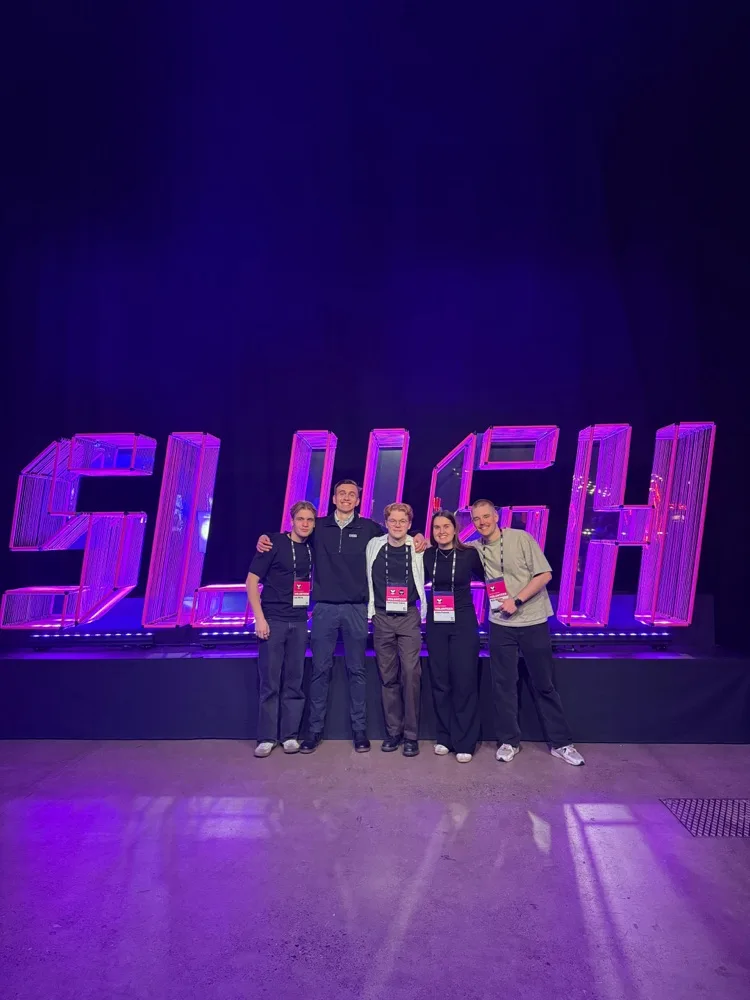
At Slush 2025, I worked as a Volunteer Lead. Slush is a high-level international startup and investor event, and working inside the organization taught me a lot about leadership, recruiting, communication and operating in a fully English-speaking environment.

For my team, I recruited 10 drivers from around 3,000 applicants. I intentionally selected people from different cultures and backgrounds because I wanted to build a diverse team and learn how to lead people who do not all think or communicate in the same way.

The organization was fully English-speaking, which made the experience especially valuable. I had to lead, communicate, solve problems and support the team in English in a fast-moving event environment.

02  What the role required

What the role required:

recruiting people for a specific rolebuilding a diverse teamleading in Englishcommunicating clearly across culturescreating trust quicklysupporting volunteerssolving problems under pressureunderstanding event operationskeeping the team calm and focused

03  What I learned

I learned that international leadership is not only about speaking English. It is about understanding people, adapting communication and building trust intentionally.

When people come from different backgrounds, they may communicate differently, make decisions differently and expect different things from leadership. That taught me to listen better, explain things more clearly and pay more attention to how people experience the situation.

04  What I took from it

Slush was fast-moving and fully English-speaking. It confirmed that working in international environments is something I enjoy and want more of.

It also deepened my interest in startups, growth companies and ambitious teams.

Motorsport career
06

06Performance, business and personal brand

Motorsport career

Professional athletePerformance mindsetSponsorshipsPersonal brand

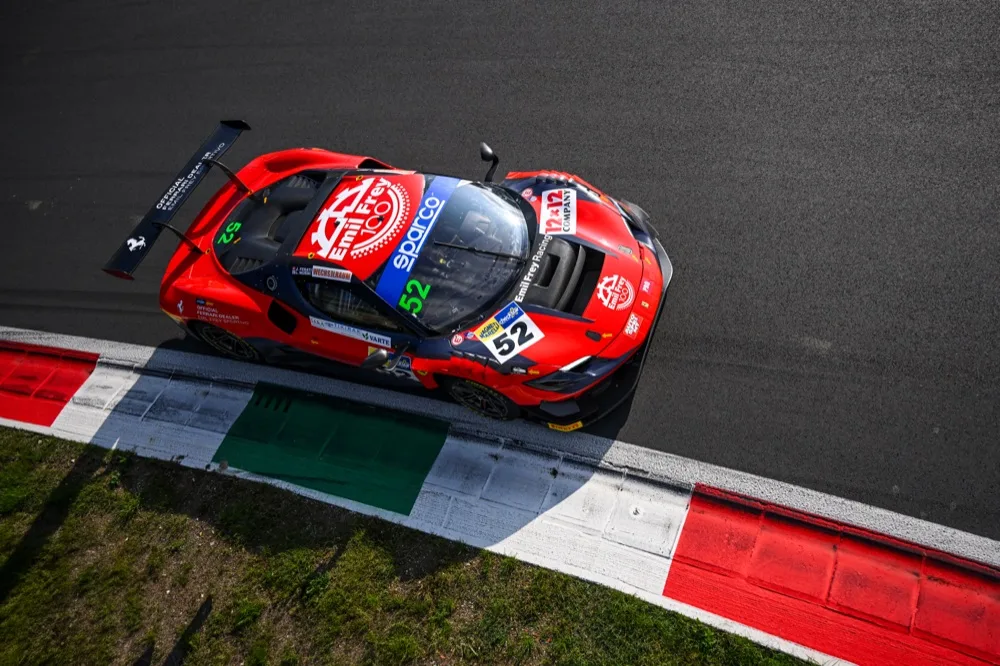
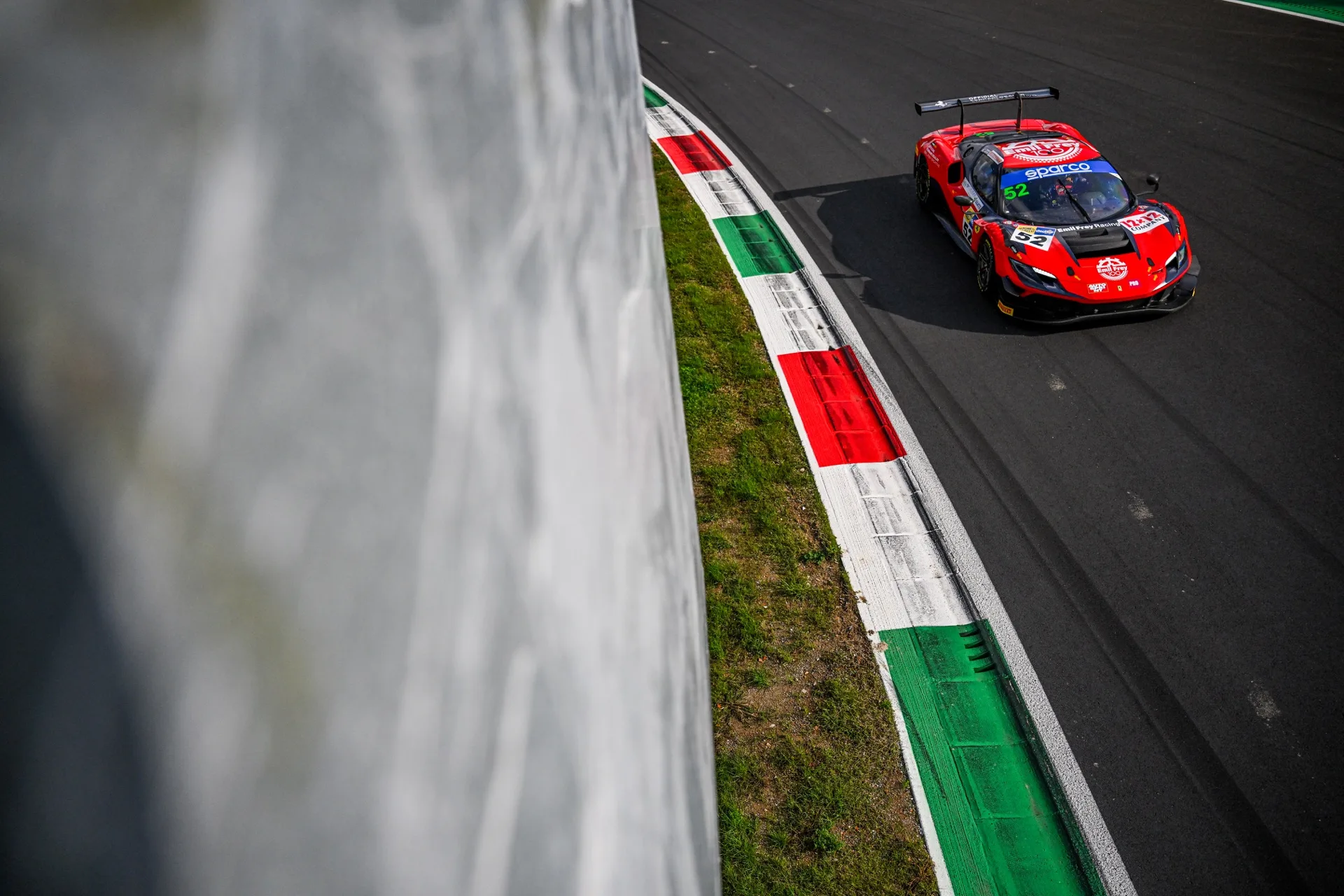
Raced internationally since young, including Ferrari GT3 machinery in the Italian GT Championship. Learned pressure, feedback and resilience — and the business of sponsorships, partnerships and audience building.

01  Overview

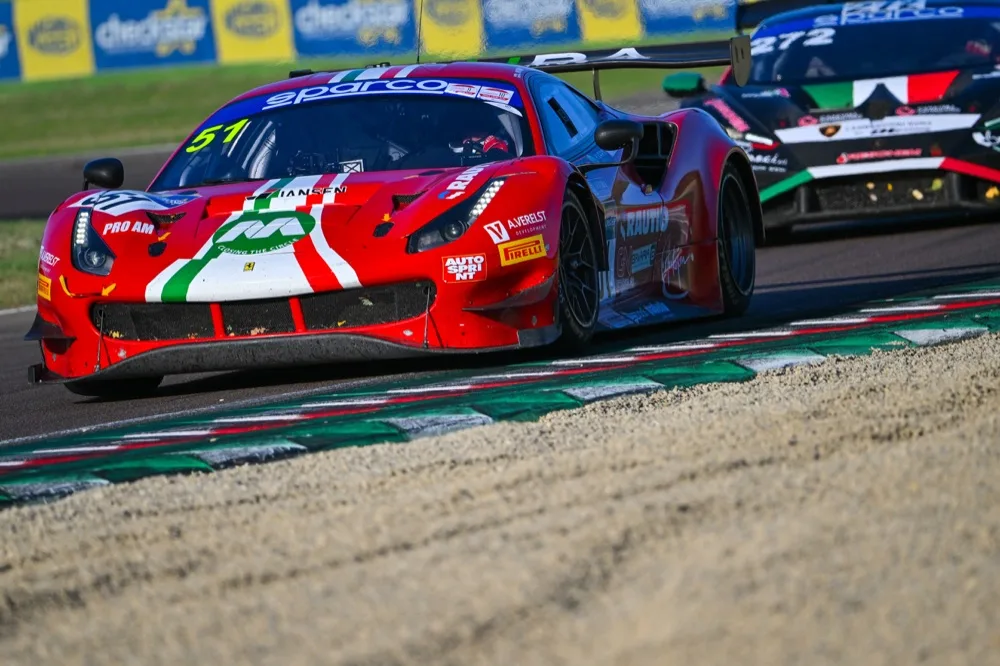
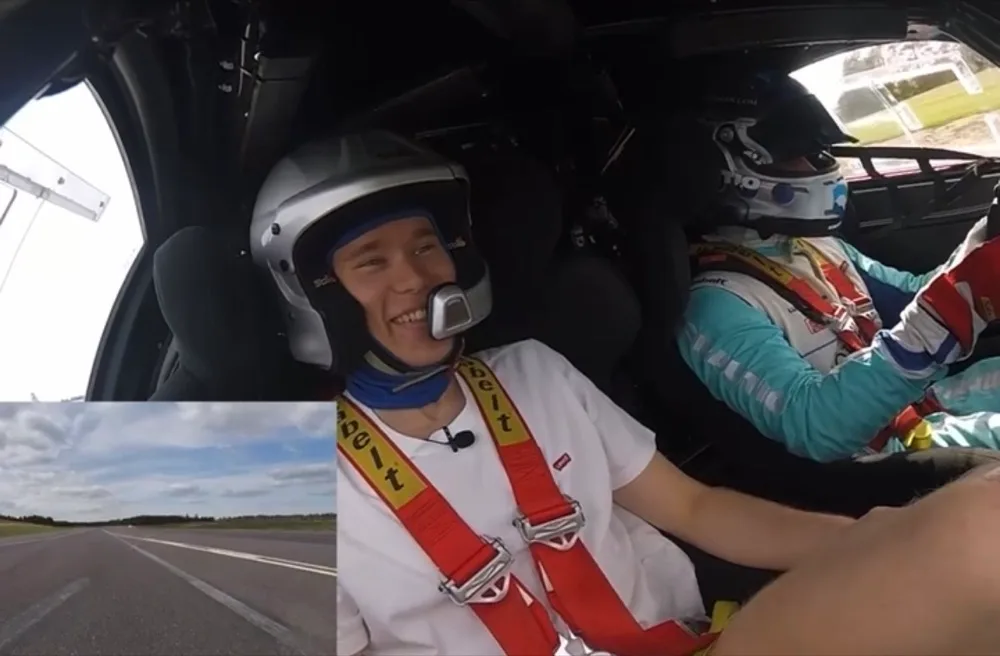
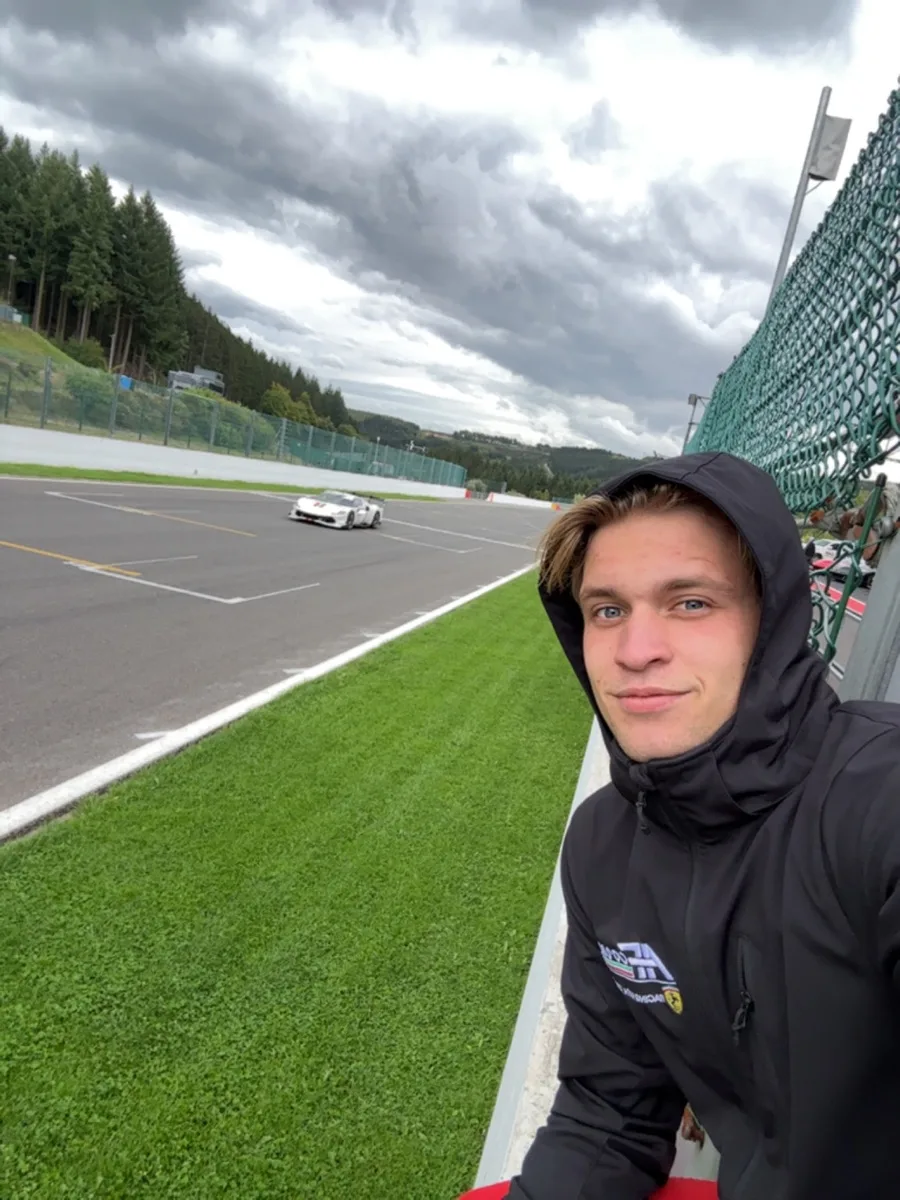
I have raced internationally since I was young, including with Ferrari GT3 machinery in the Italian GT Championship.

Motorsport has been one of the most important environments in my life. It has taught me how to perform under pressure, accept feedback, work with a team and keep improving even when the progress is slow. But motorsport has also taught me business.

02  Performance mindset

In racing, feedback is immediate. Every lap, sector time, mistake and decision shows in the result.

That has shaped how I think about work and business as well. You prepare, perform, analyze, learn and improve. You do not become better by guessing. You become better by looking honestly at what happened and changing something.

Motorsport has taught me:

pressure managementresiliencepreparationfeedbackteamworkperformance analysisconstant improvementemotional controldiscipline

03  Sponsorships and partnerships

A big part of building a racing career has been selling sponsorships and partnerships. That meant learning how to create value for companies, explain why they should partner with me and build long-term relationships with people who believe in the journey.

Motorsport taught me sales before I even fully understood that I was learning sales. I had to learn how to present myself, communicate professionally, build trust and connect personal brand with company value.

04  Social media and personal brand

Social media has also been an important part of my racing career. I have built an audience around my journey, reaching over 22,000 followers on TikTok at one point and over 6,000 followers on Instagram.

This taught me:

content creationaudience buildingstorytellingpersonal brandperformance trackingreading engagement numbersunderstanding what people react toturning visibility into commercial value

Learning this at a young age helped me understand marketing, numbers and audience behavior earlier than I would have otherwise.

05  Early hands-on learning: X-Parts

One example of my willingness to learn through practice was my time at X-Parts, an auto dismantling and parts business, when I was 15 years old.

I worked there without a salary as part of a partnership arrangement. The goal was not only to maintain a good relationship with an important partner, but also to learn more about cars, car parts and the practical side of the automotive world.

At that age, I was still very early in my own development, so I would not say that this experience alone made me highly technical. But it shows something important about how I think: when I want to understand something, I try to get close to it in practice.

I wanted to learn more about cars because I believed that understanding the technical side better could also help me as a racing driver.

The biggest personal growth came later, especially around the ages of 17–18 when I was traveling and racing around Europe more independently, but X-Parts was one of the early examples of my mindset: I was willing to work, learn and build relationships around motorsport before it was easy or comfortable.

06  What racing taught me about business

Racing taught me that results come from preparation, team performance, communication and constant improvement.

It also taught me that nothing meaningful happens alone. The driver may be visible, but behind every result there is a team of engineers, mechanics, coaches, partners and people who make the performance possible. That same understanding applies to companies and projects.

Motorsport events & coaching
07

07Turning motorsport into customer experiences

Motorsport events & coaching

Customer eventsSimulator competitionsRide-alongsCoaching

Corporate motorsport events, simulator competitions, customer activations, ride-along events, catering, event planning and driving coaching. Currently developing a collaboration with Shakedown Park in Jyväskylä.

01  Overview

Motorsport has not only been my sport. It has also been an environment where I have learned to build customer experiences, sell a personal brand and create memorable events for companies.

Over the years, I have been involved in corporate events where motorsport has been used as a way to bring people together, create excitement and offer customers something different from a normal business event. These events have included simulator competitions, customer activations, driving experiences, ride-along events, catering, event planning and practical coordination.

02  My role

My role has often been a combination of driver, host, salesperson and event builder. I have used my background as a racing driver to create value for companies and their guests.

That has meant presenting myself and my story professionally, helping companies use motorsport as part of their customer relationships and making sure the experience feels exciting, smooth and well organized. In practice, I have been involved in:

selling motorsport-based customer eventsusing my personal brand in corporate eventshosting simulator competitionscreating motorsport-themed customer activationsorganizing ride-along and driving experience eventsplanning catering and event detailscoordinating schedules, guests and practical arrangementsgiving driving coaching to customersexplaining driving technique in a simple and approachable way

03  Simulator competitions

Simulator competitions are a practical way to bring motorsport into company events without needing a racetrack. They create competition, energy and conversation quickly, even for people who have never followed racing before.

In these events, my role has been to make the experience feel easy and exciting for the customer. That means explaining the format clearly, helping participants get started, creating a competitive but relaxed atmosphere and making sure the event flows well.

This has taught me a lot about customer experience. A good event is not only about the activity itself. It is about how people are welcomed, how clearly the concept is explained, how the schedule works, how the atmosphere feels and what kind of memory the customer takes with them.

04  Driving experiences and ride-along events

I have also been involved in organizing motorsport-related driving and ride-along events. These events require more planning because safety, timing, customer expectations and the overall experience all matter.

A good driving event needs to feel premium, exciting and safe at the same time. Customers want adrenaline, but they also need to feel that the event is professionally managed.

In these projects, I have learned how important the small details are: arrival, briefing, equipment, schedule, catering, communication, safety instructions and the way customers are guided through the experience.

05  Driving coaching

Driving coaching has become one of my biggest passions. In coaching, the goal is not just to tell someone how to drive faster. The goal is to understand their current level, explain technique clearly and help them improve step by step.

This has taught me to simplify complex performance topics and adapt my communication to different people. Driving coaching has strengthened my skills in:

giving clear feedbackreading people quicklyexplaining technical things simplybuilding trust with customerscreating a safe learning environmenthelping people improve under pressure

06  Current direction: Shakedown Park collaboration

I am currently developing a collaboration with Shakedown Park in Jyväskylä. You will hear more about this soon.

The idea is to build motorsport-related events around a simulator environment and combine racing, competition, coaching and customer experience into a clear event concept.

For me, this is a natural next step. It combines many things I already know: motorsport, customer events, sales, hosting, coaching, simulator driving and event production.

The goal is not only to offer companies and their guests something entertaining, but to create a real, premium experience of the racing world.

Crane & equipment rental sales
08

08Sales ownership, B2B and operations in practice

Crane & equipment rental sales

Sales ownershipB2BOperationsWork ethic

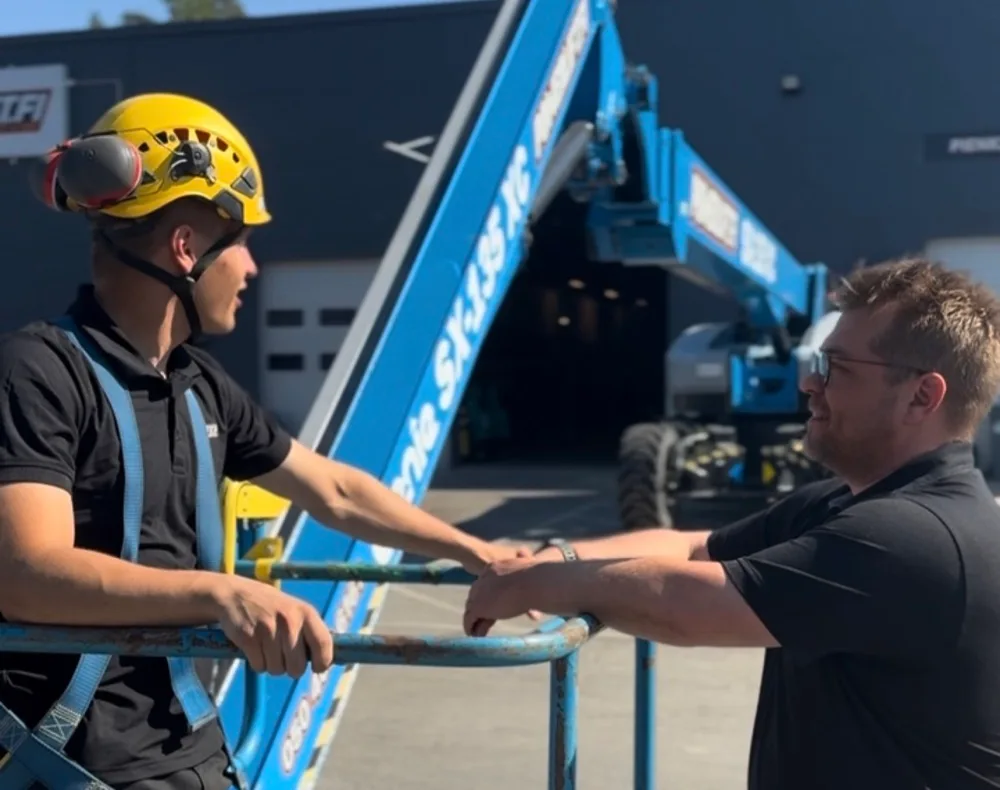
A 2024 role much broader than only sales: offers, pricing, customer meetings, CRM habits — plus washing equipment, organizing the yard and learning the forklift. 10–12-hour days from my brother's couch in Espoo.

01  Overview

In 2024, I worked in the crane and equipment rental industry in a role that was much broader than just sales. It was a practical business experience where I had real responsibility, long hours, and direct connection with customers, pricing, offers, and operations.

I lived on my brother's couch in Espoo during the summer and worked many 10-12 hour days. The role taught me what taking responsibility, discipline, and keeping things moving in practice actually mean.

02  My role

I managed my own sales work: offers, pricing, customer meetings, follow-ups, and lead tracking.

The role included:

customer communicationcalculating offerspricingfollow-upscustomer meetingsCRM and lead trackingB2B salesunderstanding customer needscoordinating practical detailssupporting managementoccasional participation in management team meetings

This gave a practical view of how sales, operations, and management connect in a real company.

03  More than sales

What made this experience valuable was that I did not only sit behind a desk selling. I also helped with many practical things in the company's daily life.

I washed equipment, organized the yard, learned to drive and use a forklift, assembled furniture, and helped management with different tasks whenever help was needed.

It gave a much broader understanding of business than a standard sales role would have. I learned that in a busy or developing company, value is created by people who take responsibility outside their official title.

04  What I learned

This experience taught me a lot about work ethic, ownership, and practical business. I learned that sales is not an isolated part of a company. If an offer is unclear, customer communication is slow, or operations do not work, sales suffers.

At the same time, I learned that a clear sales process and a customer kept up to date make the whole company more trustworthy. I also learned the importance of follow-up. Many deals are not closed in the first conversation. They are closed because you stay organized, keep in touch, and make the customer's decision easier.

05  What I took from it

I worked long days and did a lot of things that were not written in any job description. That was not a problem for me. I often act that way when I am fully involved in something.

The bigger lesson was to understand how strongly sales, operations, and management are connected. A slow offer or unclear communication does not only hurt sales. It affects the whole company.

Websites, tools & AI-assisted building
09

09Learning by doing in the digital landscape

Websites, tools & AI-assisted building

WebsitesE-commerceAI toolsAutomation

From a first Squarespace one-pager for Proci, to Shopify and CSS for Kotivarakauppa.fi, to this site built with Claude, Next.js, Vercel and GitHub. A commercial builder who understands the technical side.

01  Overview

I have always believed in learning tools through real needs rather than courses.

When I wanted to understand how to build a website, how to setup e-commerce, or how to connect tools with automations, I did not start with books. I started with a project.

This website itself is an example of that. It is built using Claude, Next.js, Vercel and GitHub — tools that I have learned to use to bring my commercial ideas into reality faster.

02  My progression

My journey with digital tools has been progressive:

First Squarespace one-pager for Proci (my student cooperative project)Shopify store setup and customization for Kotivarakauppa.fiCustom CSS modifications to match brand identityConnecting Shopify with Klaviyo for automated email flowsBuilding this custom portfolio site with Next.js and Tailwind CSSSetting up basic automations with Make and n8n

03  Why it matters

I am not a software developer. I am a business builder who wants to understand the technology behind modern companies.

Understanding these tools allows me to communicate better with developers, make changes myself when needed, and build prototypes quickly to test new ideas with real users.

Fieldmark
10

10Turning field use into product development data

Fieldmark

Defense-tech conceptPitch deckProduct development

An early-stage defense technology concept: a feedback loop between end user and manufacturer. Scan a piece of equipment, collect structured feedback, maintenance history and usage data — turning field use into product development data.

01  The concept

Fieldmark is an early-stage defense technology concept that aims to improve the feedback loop between military end users and defense equipment manufacturers.

In defense procurement, equipment is used in extreme conditions, but the data about wear, failure points, and user experience often takes years to reach the product development teams.

Fieldmark proposes a simple solution: scan a QR code or metal plate on a piece of equipment, fill a quick structured feedback form, and send the data directly to a secure analysis pipeline.

02  My role

I have been developing this concept independently. The work has included:

Defining the problem and target user groupsCreating the system architecture and data flow diagramDesigning a professional pitch deck to present the concept to stakeholdersFormulating the value proposition for defense manufacturers and military units

03  Where it is now

Fieldmark is not a company yet. It is a concept I have been developing — working on the problem, the user groups, the data flows and what it would take to actually build it.

International

International experience

Working across cultures

I have gained international experience through Proakatemia, Slush and motorsport.

At Proakatemia, I have often worked as part of international teams. That has given me practical experience in collaborating with people who have different communication styles, cultural backgrounds and ways of working.

In motorsport, international teamwork has been a natural part of the environment. Racing teams often operate in English, and the driver has an important role inside the team.

A driver is not only there to drive the car. The driver needs to give feedback clearly, work with engineers and mechanics, keep the team motivated and create a good working atmosphere even under pressure.

Through motorsport, I also studied Italian with a private teacher to be able to communicate better and become more naturally part of the team. I currently understand the basics of Italian, and learning the language helped me connect better with people in an international racing environment.

What international work has taught me

clearer communicationcultural awarenesspatiencelisteningadapting leadership styleworking in Englishgiving and receiving feedbackbuilding trust across backgrounds

For me, international work has been a natural part of both my studies and racing career, and I want to continue developing as a leader in global teams.

Proakatemia

Proakatemia

Learning entrepreneurship through real projects

Proakatemia has been an important environment for my growth as an entrepreneur, project builder and team leader.

The studies are based on practical projects, customer work, sales, team learning and building a real cooperative business with other students.

For me, Proakatemia has not been only a school. It has been a place to test ideas, build projects, work with real customers, lead people, sell, fail, reflect and improve.

What I have done at Proakatemia

customer projectssales projectsbrand and launch projectsevent projectsteam company developmentB2B salesconsumer salesproject planningsales material creationteamwork and leadership experimentsbuilding my own company alongside studies

What Proakatemia has taught me

Proakatemia has taught me that good projects do not happen only because people are motivated. They need structure, communication, ownership and shared direction.

I have learned that in team projects, the hardest part is often not the task itself, but getting people aligned around the same goal. People have different levels of ambition, different communication styles and different ways of working. That has taught me to listen better, clarify expectations and understand people as individuals.

I have also learned that entrepreneurship is not only about ideas. It is about execution, sales, customer understanding, money, deadlines and the ability to keep going when the project becomes messy.

What this shows

At Proakatemia I have worked with real customers, built projects, sold products and taken responsibility in a team business environment. It has not been just studying.

It has helped me understand what kind of work I enjoy: projects where people, business, creativity and execution come together.

How I work

My working principles

01

I listen before solving

Good work starts with understanding the problem properly. A customer, team or user does not always say the solution directly, but they reveal a lot about the situation, need and uncertainty. Listening properly saves time later.

02

I make things clear

Many projects fail because people are talking about the same thing in different ways. I naturally try to clarify: what is the goal, what is the first step, who does what and what matters most to the customer.

03

I make it easy for the customer

The customer should not have to carry the confusion of the project. Good customer work means that the customer knows where we are, what happens next and what is needed from them.

04

I am honest early

If something is not going to work, it should be said early. Trust is built by not overpromising and by doing what has been promised.

05

I move from idea to execution

I like ideas, but I like it even more when an idea becomes concrete. A good plan is not enough if nobody takes it into practice.

06

I learn by doing

When I want to understand something, I try to get close to it in practice. That is how I have learned websites, sales, e-commerce, motorsport events, tools, leadership and business.

Stack

Tools & technical skills

I have learned most of these tools through real projects, not courses.

My approach is to learn the tool when there is a real need for it, use it in practice and understand it well enough to build, manage or improve something with it.

// A small builder's corner — I learn tools through real projects, not courses.

01

Advanced / core strengths

Tools and areas I can use confidently in real projects.

ShopifyShopify AnalyticsSquarespaceCanvaCapCutChatGPTClaudeCursorGoogle AntigravityGeminiMeta Business SuiteDomains & DNSCampaign planningB2B sales materialsB2B customer management
02

Strong working knowledge

I can use these well and understand how they support business, marketing, websites or project work.

Excel (complex formulas)Google Sheets (complex formulas)Meta AdsGoogle AdsLinkedIn AdsKlaviyoEmail marketingGoogle AnalyticsGoogle Search ConsoleGoogle Tag ManagerGoogle Merchant CenterGoogle Ads reportingMeta Ads reportingLinkedIn Campaign ManagerWebsite structureAPI basicsCRM basicsSales pipeline thinkingMaken8nWorkflow automationConnecting tools & data
03

Working knowledge

I can use these in practice, but I am still developing a deeper understanding.

NotionGitHubNext.jsVercelCSS basicsMicrosoft ClaritySemrush basics
04

Basics / currently learning

I understand the basics and can use them when needed, but they are not my strongest areas yet.

Figma basicsFramer basicsHubSpot basics
05

Everyday tools & channels

Tools or channels I use naturally, but would not present as deep technical skills.

WordLinkedIn

Direction

Future direction

What I am building towards

My biggest dream in motorsport is still to win Le Mans. That has been the highest racing goal for me since I was young, and it still represents the ultimate level of performance, endurance and teamwork.

At the same time, another major dream has become just as important: becoming a successful entrepreneur and business leader.

I am highly ambitious, and I have always set demanding goals for myself. Sometimes maybe too demanding. But that ambition is also what has pushed me forward in racing, sales, entrepreneurship and leadership.

For me, success is not only about money or titles. It is about building something meaningful, becoming excellent at what I do and being able to help others through the things I create.

Right now, I am thinking about my next step through two possible directions.

path.A

Build my own startup again, with full focus

I enjoy the early stage: finding a problem, shaping the idea, building the first version, selling it and turning it into something real. When I believe in something, I do not want to do it halfway. I want to go all in.

path.B

Join a growth company and learn from the inside

Take responsibility in a real role and understand how strong companies operate from the inside. I am especially interested in environments where I can learn business development, sales, project management, operations, marketing and leadership at a higher level.

Both directions serve the same long-term goal: becoming better at building companies, leading people and turning ideas into execution.

I do not see my career as a straight line. Racing taught me that progress is rarely linear. You test, analyze, improve and keep going. That is how I want to build my career as well.

Whether the next step is my own startup or a role inside a fast-growing company, I want to be in an environment where the ambition level is high, the pace is fast and I can keep learning by doing.

Contact

Work with Luka.

If you want to talk about a project, collaboration, driving coaching, events or a possible role — feel free to reach out. I respond to both email and calls.